![]() |
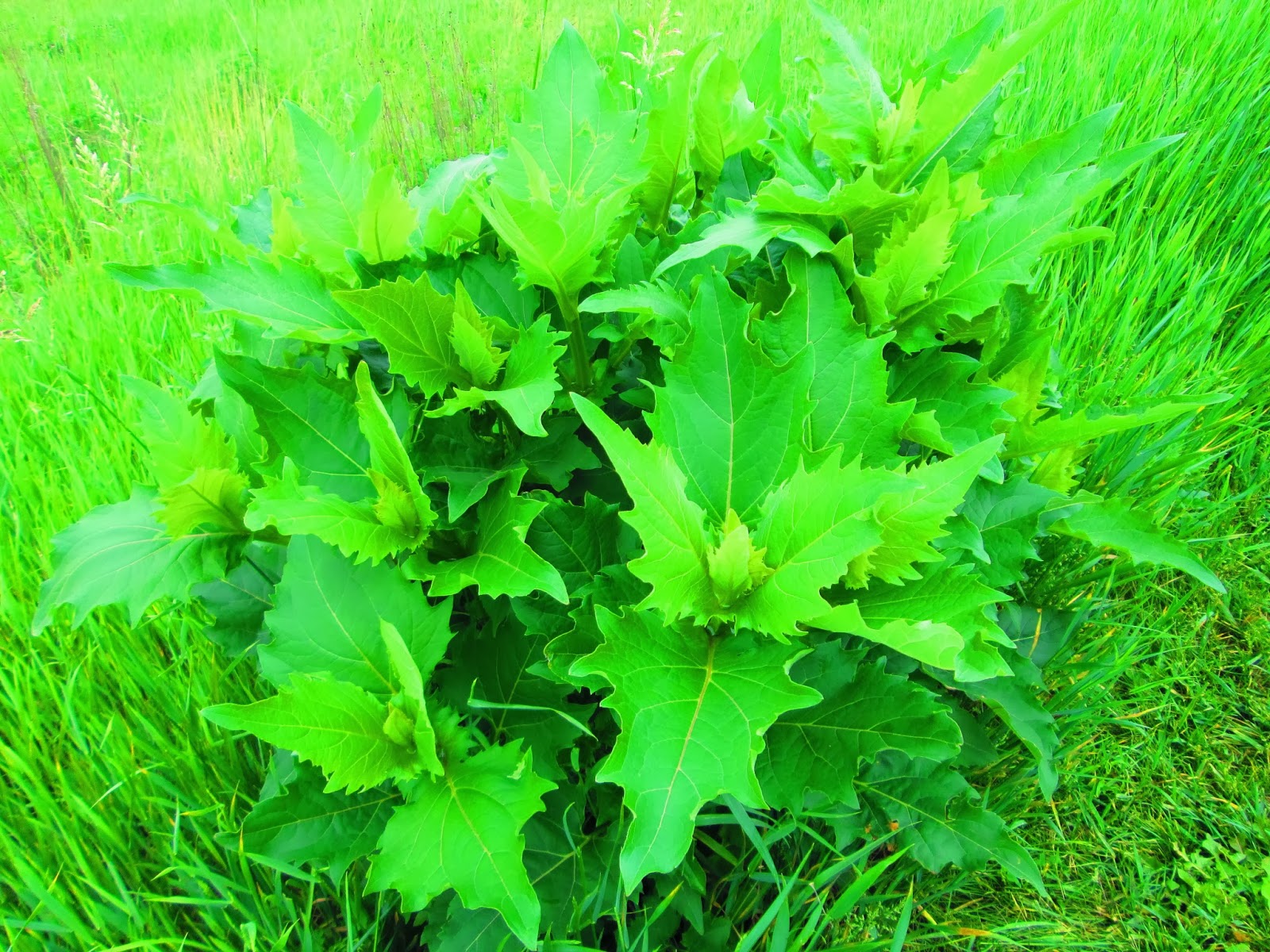
| Purple Prairie Clover is unique in its appearance, and the only plant that resembles Purple Prairie Clover is White Prairie Clover, which is taller and has white flowers. |
This blog is about my encounters with nature and the interesting information that I am learning from them.
Monday, November 11, 2013
Dalea purpurea (Purple Prairie Clover)
Friday, November 8, 2013
Royal Catchfly (Silene Regia)
Royal Catchfly likes to grow in mesic prairies, preferably in full sun, but can also tolerate some shade. It is an interesting plant because it has red flowers which are rare to have in a prairie. There are only a few other species in prairies that have red flowers like Michigan lily, turk's cap lily, and cardinal flower.
Red flower color is not noticed by most pollinating insects and is therefore favored by a few insects such as certain species of butterflies. As a consequence, royal catchfly is endangered in the state of Illinois and in other prairie states.
Tuesday, November 5, 2013
Partridge Pea (Chamaecrista fasciculata)
Partridge pea is an annual legume native to the eastern half of the United States. It can grow to about 2 feet.
It likes to grow in dry to mesic soil along with compass plant, showy and stiff goldenrods, rosinweed, prairie blazing stars, wild bergamot, yellow coneflowers, and black eyed susans. It is especially present after a prairie burn.
Partridge Pea has alternate composite leaves typical of a legume. It flowers from springtime to fall time.
It is a relatively easy plant to grow especially in beginner's gardens because partridge pea can thrive even in nutrient poor soil.
It likes to grow in dry to mesic soil along with compass plant, showy and stiff goldenrods, rosinweed, prairie blazing stars, wild bergamot, yellow coneflowers, and black eyed susans. It is especially present after a prairie burn.
Partridge Pea has alternate composite leaves typical of a legume. It flowers from springtime to fall time.
It is a relatively easy plant to grow especially in beginner's gardens because partridge pea can thrive even in nutrient poor soil.
Friday, November 1, 2013
Indian Cup (Silphium perfoliatum)
Rainwater is accumulated in the "cups" of the plant and are important breeding spots for dragonflies.
An Indian Cup plant in early spring.
The leaves are perfoliate which means that each pair of leaves on the stem are adjacent to each other and are joined at the base.
Indian cup in full bloom in mid-summer. Indian cup is closely related to the sunflowers since they are all in the same tribe Heliantheae.
An Indian Cup plant in early spring.
The leaves are perfoliate which means that each pair of leaves on the stem are adjacent to each other and are joined at the base.
Indian cup in full bloom in mid-summer. Indian cup is closely related to the sunflowers since they are all in the same tribe Heliantheae.
Monday, October 28, 2013
Oxeye Daisy (Leucanthemum vulgare)
An invasive exotic perennial plant from Europe and the temperate regions of Asia that has been introduced as a garden plant and has become a problem in the United States, Australia, and New Zealand. It is found in disturbed prairies and can quickly out-compete native vegetation through strong and potent tubers that keep multiplying year after year.
Sunday, October 27, 2013
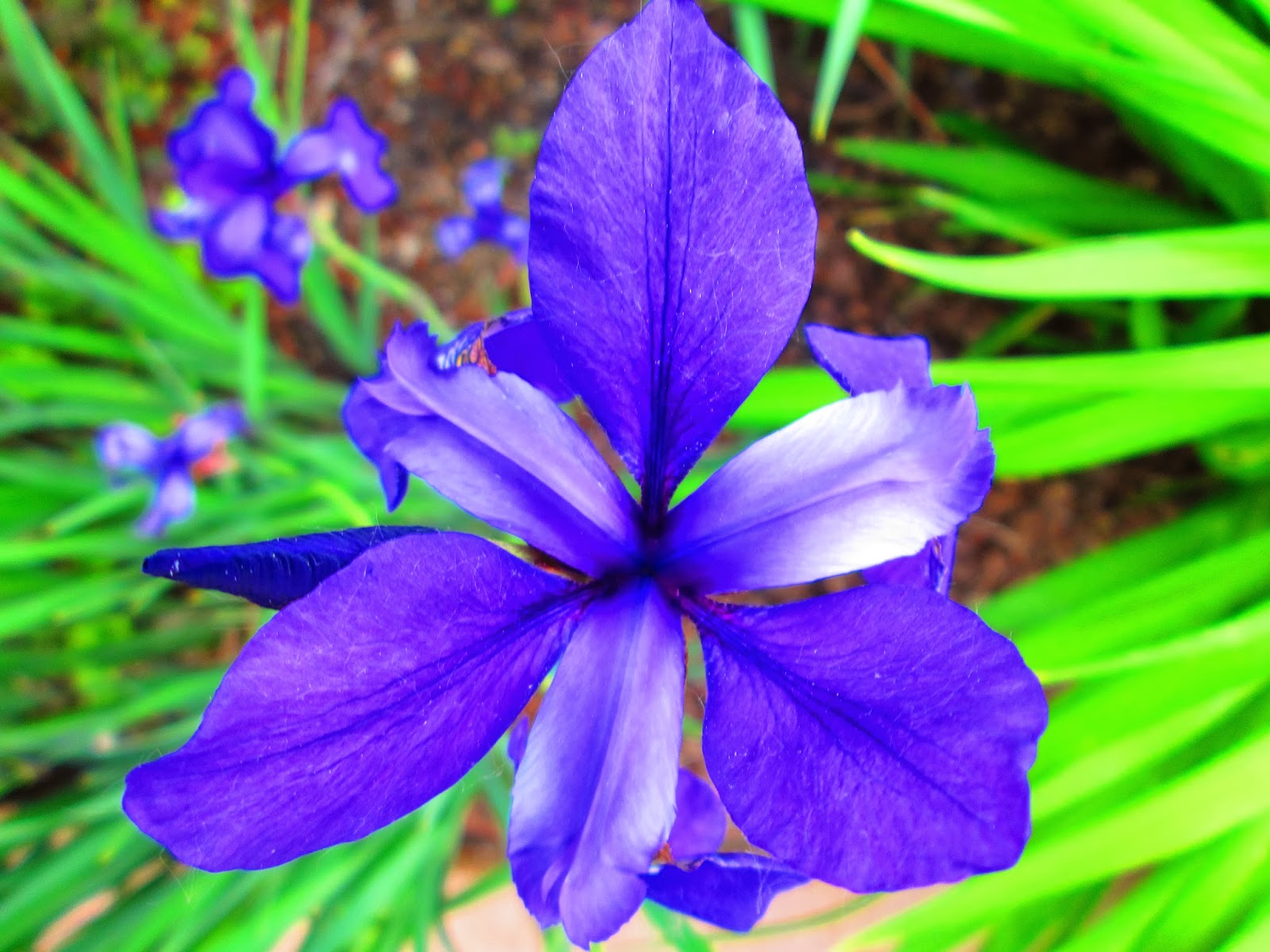
Iris versicolor (Northern Blue Flag)
Iris versicolor (Northern Blue Flag) likes to grow in wetlands such as sedge (wet) meadows, along the sides of marshes, and on river banks. It is a very showy perennial plant that blooms in the springtime and grows tubers to reproduce asexually. There is a very related species to the Northern Blue Flag called Southern Blue Flag (Iris virginicum) that is usually lighter in color than Northern Blue flag and grows in the southern part of the United States.
Tuesday, October 15, 2013
Milkweeds Encountered!
Butterfly Milkweed- characterized by the uncommon color of orange flowers on a short growing plant.
Common Milkweed-characterized by its ubiquity in prairies and large puffy purple-magenta flowers on a medium to tall growing plant.
Whorled Milkweed- characterized by small bunches of white flowers on a very short single stemmed plant with thin whorled leaves.
Sullivant's Milkweed- the flowers look like a mixture of common milkweed and swamp milkweed. Or, looks like common milkweed except the flower bunches are smaller and more delicate. The leaves are very lanceolate with a strong red central vein running through. This plant can grow in moist, but not saturated soils.
Subscribe to:
Posts (Atom)