Friday, December 20, 2013

Illinois Native Fish

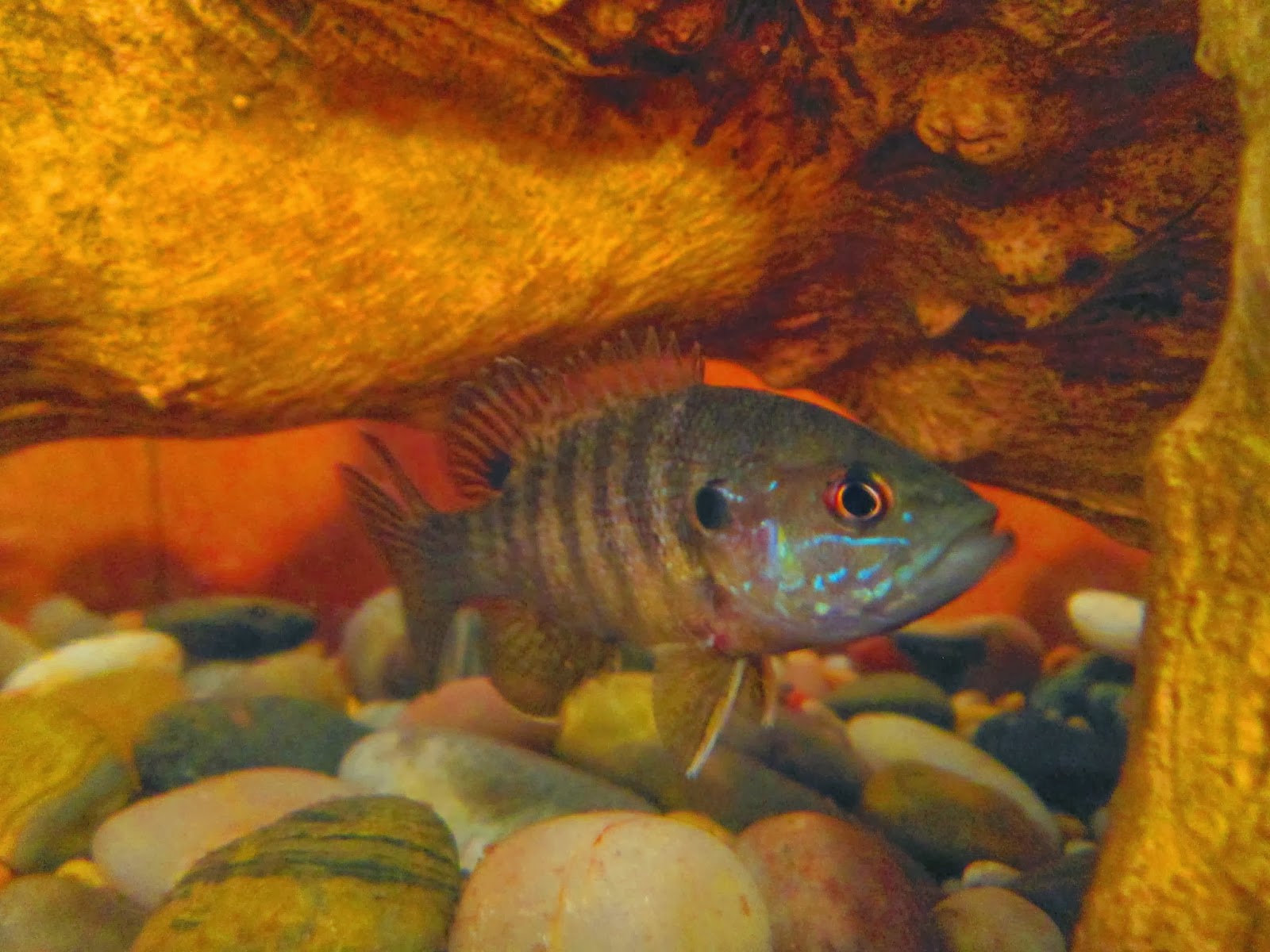
Green Sunfish (Lepomis cyanellus) is a very common fish in the sunfish family (Centrarchidae) that resides in shallow rivers and lakes. It likes to eat aquatic insects and other small fish.

Grass Pickerel (Esox americanus vermiculatus) is a fish in the pike family (Esocidae) that lives in shallow, eutrophic, highly vegetated, slow moving rivers and lakes.

Wednesday, December 18, 2013

Wild Bergamot (Monarda Fistulosa)

Wild Bergamot is an essential to any prairie, and it is ubiquitous in most mesic prairies that you find. It is a very important source of nectar for insects, and large patches will keep invasive species from penetrating.

A relative of spotted bee balm, the flower looks totally different and is easy to identify.

Tuesday, December 17, 2013

Spotted Bee Balm (Monarda punctata)


Spotted Bee Balm is a native short-lived perennial plant native to the eastern half of North American mesic prairies. This plant is in the Lamiaceae (mint) family and imparts a minty-oregano aroma when crushed. This plant attracts a wide range of insects to its flowers, but the pungent leaves themselves are rarely eaten by other animals.

Monday, December 16, 2013

Rattlesnake master (Eryngium yuccifolium)

Rattlesnake master is a perennial plant native to the eastern half of North America. It likes to grow in high-quality mesic prairies. Rattlesnake master is a unique plant and there is no other plant that quite looks like it in its range. The reason why it is called rattlesnake master is because some Native Americans used to use it to treat rattlesnake bites.

The flowers are arranged in apical umbels.

Sunday, December 15, 2013

White Prairie Clover (Dalea candida) vs. Purple Prairie Clover (Dalea purpurea)

White prairie clover has white flowers and short wide leaves.

Purple prairie clover has purple-magenta flowers and thin long leaves.

Michigan Lily (Lilium michiganense)

   Michigan Lily is a showy perennial plant native to prairies in eastern United States and Canada.  Habitats include moist prairies, open areas in floodplain forests, Bur Oak savannas, fens, swamps, and high quality prairies along railroads.
The large showy orange-red flower looks to be designed specifically for hummingbirds, Sphinx moths, Hummingbird moths, long-tongued bee, and other butterflies and insects. It is unique in its appearance with an unbranched stem with leaves in whorls and a few showy flowers appearing in early-mid summer. The only plant that looks like the Michigan Lily is the Turk's Cap Lily, which is commonly mistaken for it.